
Innovation and sustainability
Innovation and sustainability
SAS innovation is a core enabler of sustainability in many industrial sectors.
Synthetic amorphous silica (SAS) is a high-performance material engineered to enhance the properties of a wide range of products. Through continuous innovation in material design and application, SAS improves durability, efficiency, and functionality across multiple sectors.
These performance improvements translate into measurable sustainability benefits, reducing energy use, extending product lifetimes, and supporting more efficient use of resources across value chains.
SAS applications supporting sustainability outcomes
Mobility and transport
In mobility applications, engineered silica structures and surface chemistries reinforce rubber compounds and advanced materials used in tyres, batteries, and vehicle components. This improves mechanical performance, energy efficiency, and durability.
Main sustainability outcomes of SAS use:

Lower energy use during operation
Reduced rolling resistance in tyres improves fuel efficiency or driving range, lowering CO₂ emissions over the vehicle lifecycle.

Extended products lifetimes
Improved wear resistance increases tyre and component durability, reducing material use and waste.

Support for electrification
Enhanced battery separators and energy-storage performance, contribute to longer-lasting EV batteries.

Lightweighting
Stronger materials enable lighter components, improving overall vehicle efficiency.
Energy and electrification
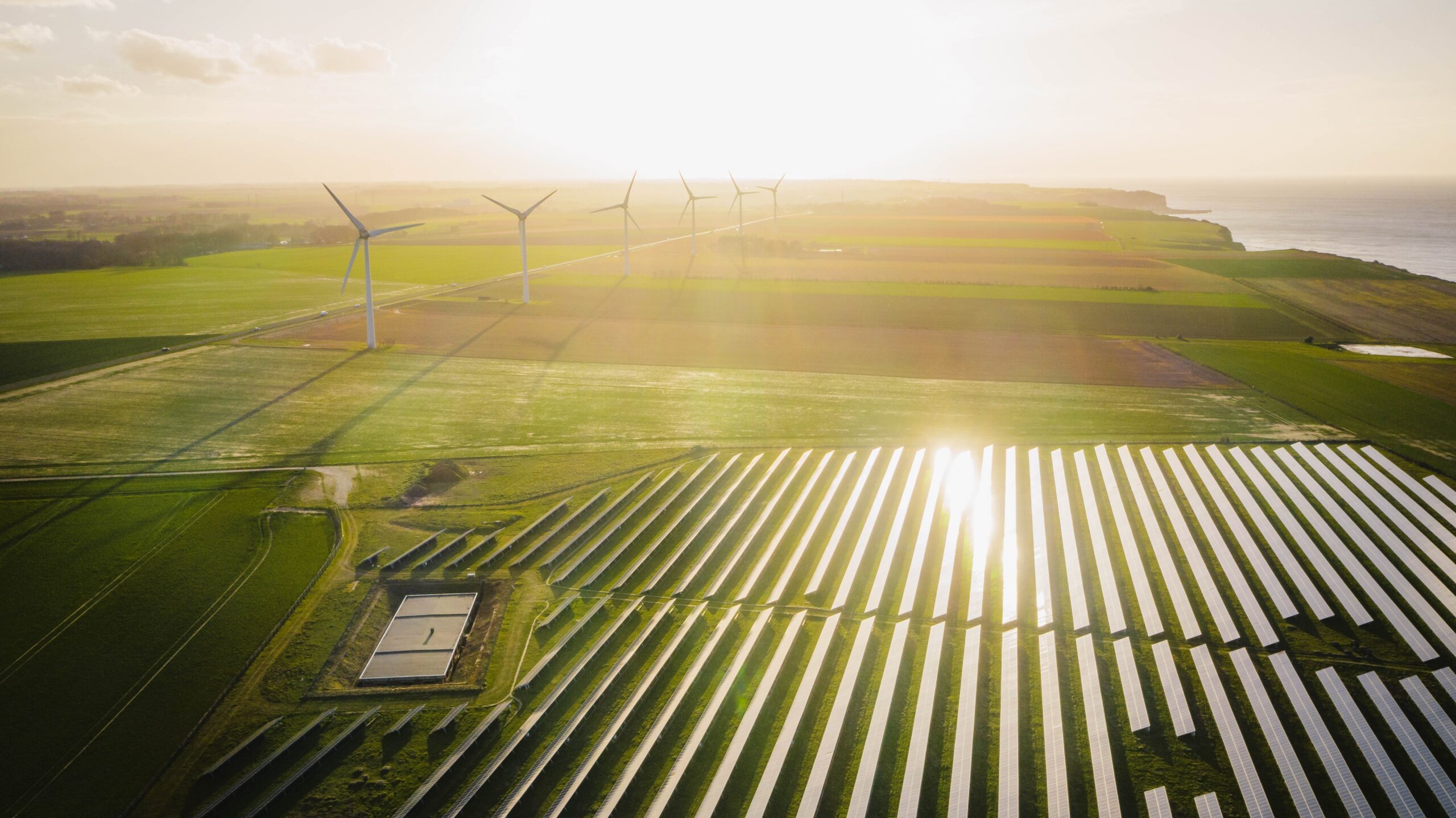
SAS plays a functional role in energy storage systems and components used in renewable and electrified technologies. Its contribution lies in improving reliability and long-term performance under demanding conditions.
Main sustainability outcomes of SAS use:

More efficient energy storage
Stable ion migration in battery separators improves battery safety and longevity.

Longer service life of energy systems
Reinforced materials in wind turbines and energy infrastructure reduce replacement frequency.
Improved performance of renewables
More durable coatings and components withstand weathering and mechanical stress.

Reduced lifecycle impacts
Longer-lasting components lower material demand and maintenance needs over time.
Construction and infrastructure
In construction materials, SAS improves strength, durability, and thermal performance. These performance enhancements reduce maintenance needs, extend the lifespan of buildings and infrastructure, and improve energy efficiency over decades of use.
Main sustainability outcomes of SAS use :

Extended lifespan of buildings and infrastructure
Higher durability reduces repair and replacement cycles.
Lower resource consumption
Longer-lasting structures reduce material demand over decades of use.

Improved energy efficiency
Enhanced insulation performance supports lower heating and cooling needs.
Reduced maintenance impacts
Improved resistance to corrosion and degradation lowers long-term environmental footprint.
Consumer goods and packaging
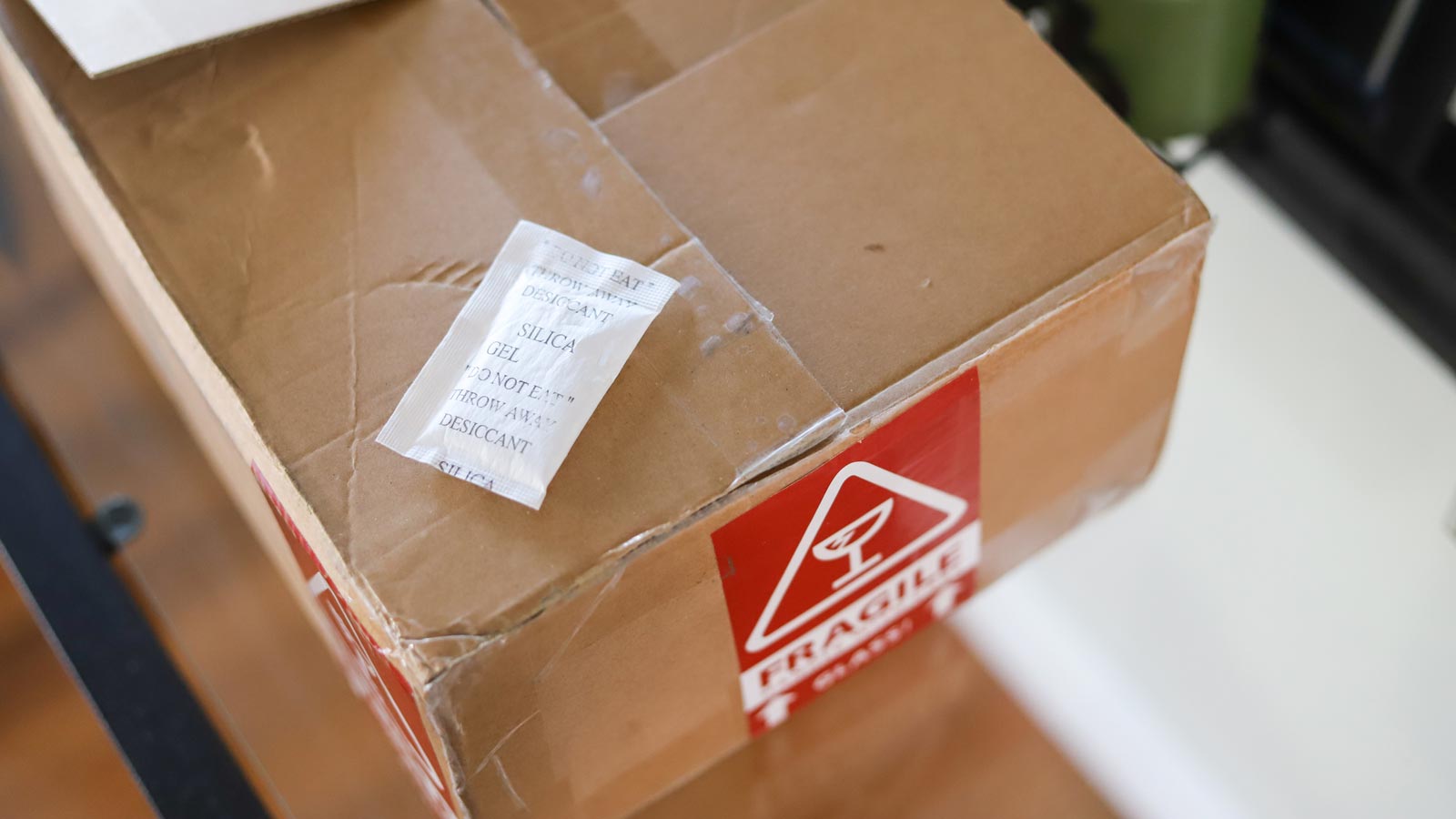
In packaging and consumer products, SAS supports moisture control, material reinforcement, and surface functionality, helping products perform reliably in everyday use.
Main sustainability outcomes of SAS use:
Reduced product loss and spoilage
Moisture control (e.g. desiccants, barrier properties) protects goods throughout storage and transport.
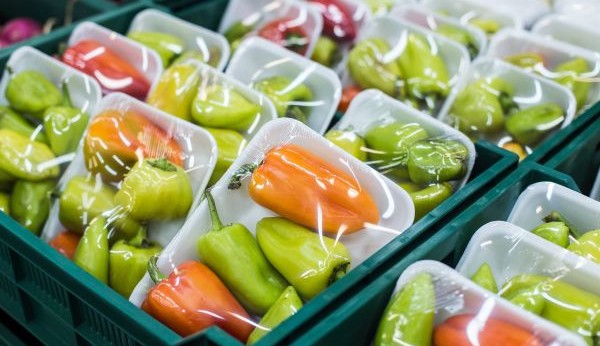
Material efficiency
Improved performance allows thinner films, lighter packaging, and lower material use.
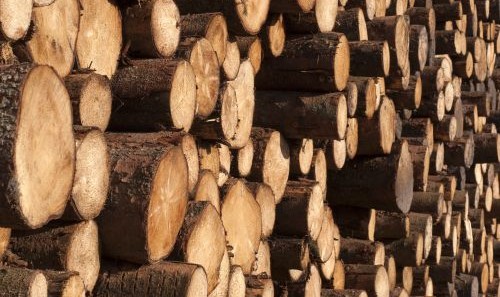
Saving wood recourses
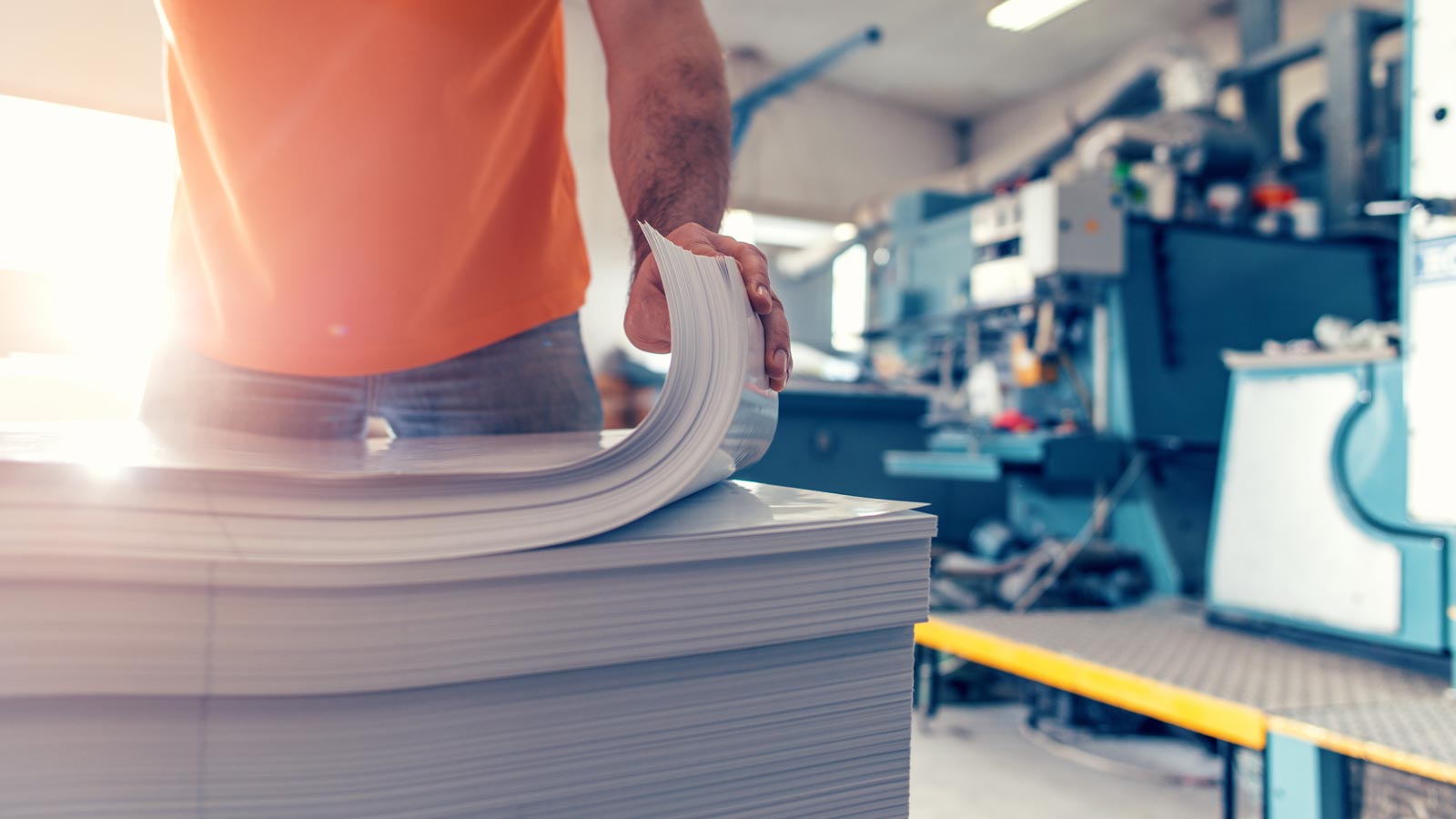
Small amounts of SAS added to paper improve printability and opacity. This makes it possible to produce lower grammage paper grades, saving wood resources. SAS is also used in specially coated paper grades for inkjet printing.
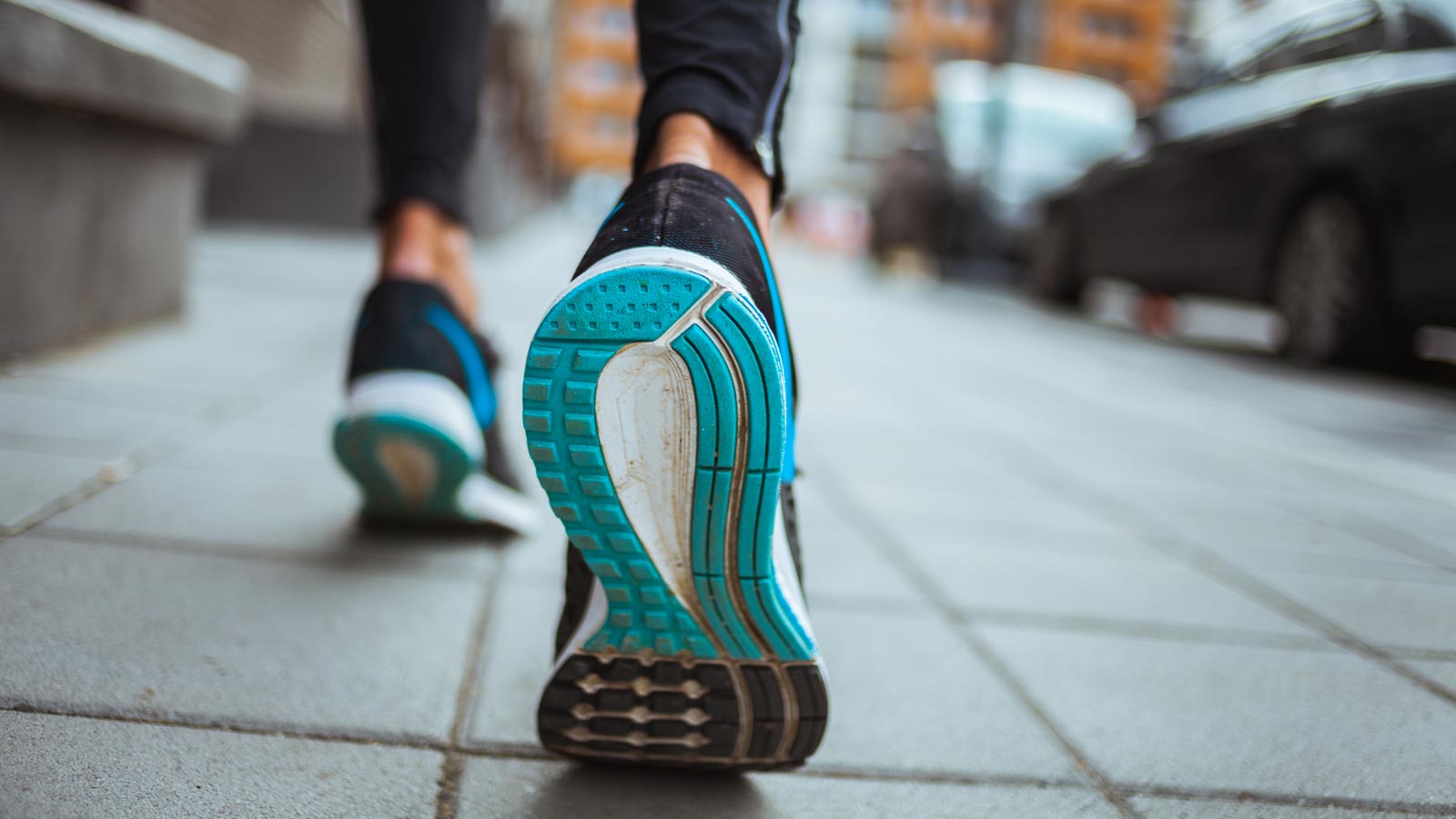
Reduced wear and tear in rubber and silicone products
Improved abrasion, tear, and tensile resistance in non-staining and coloured applications such as footwear, conveyor belts, mats, and seals allows products to last longer.
Food and pharmaceuticals
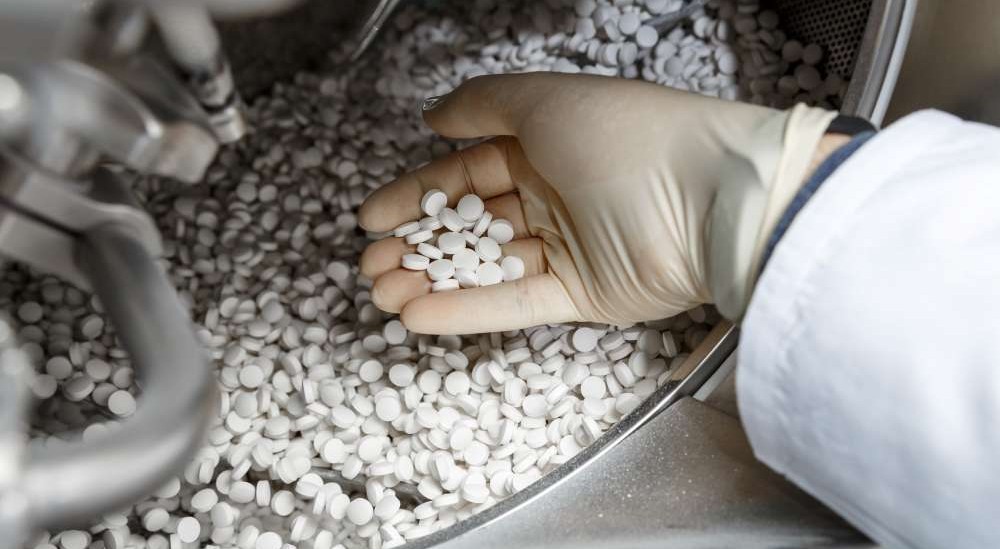
In food and pharmaceutical applications, SAS is used to control flow, absorb moisture, and stabilise sensitive formulations, ensuring consistent product quality.
Main sustainability outcomes of SAS use:

Reduced food waste
Anti-caking and moisture-control functions help maintain freshness.
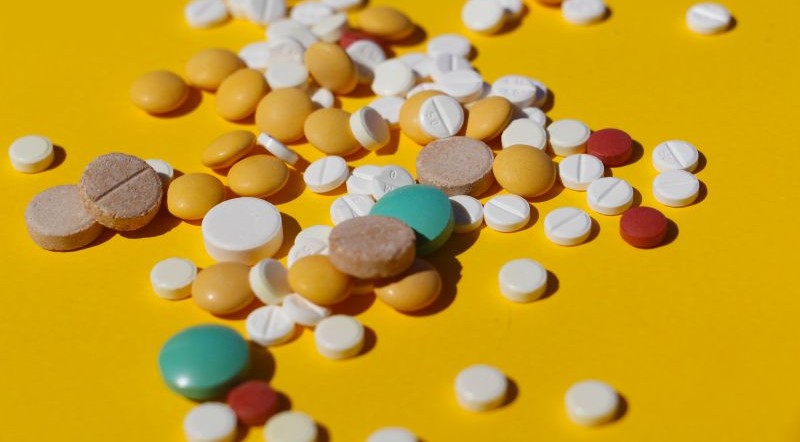
Improved product stability
Protection against degradation extends the shelf life of medicines and supplements.
Efficient use of active ingredients
Improved formulation stability reduces losses during storage and transport.
A Performance-Driven Contribution to Sustainability
Synthetic amorphous silica contributes to sustainability by enabling performance improvements that matter at system level. Through material design and application-specific engineering, SAS supports efficiency, durability, and reliability across multiple sectors.
By improving how products perform over their lifetime, SAS helps reduce energy use, material consumption, and waste, demonstrating how innovation at material level plays a quiet but essential role in more sustainable products and systems.