
Synthetic Amorphous Silica – A foundational material for modern society
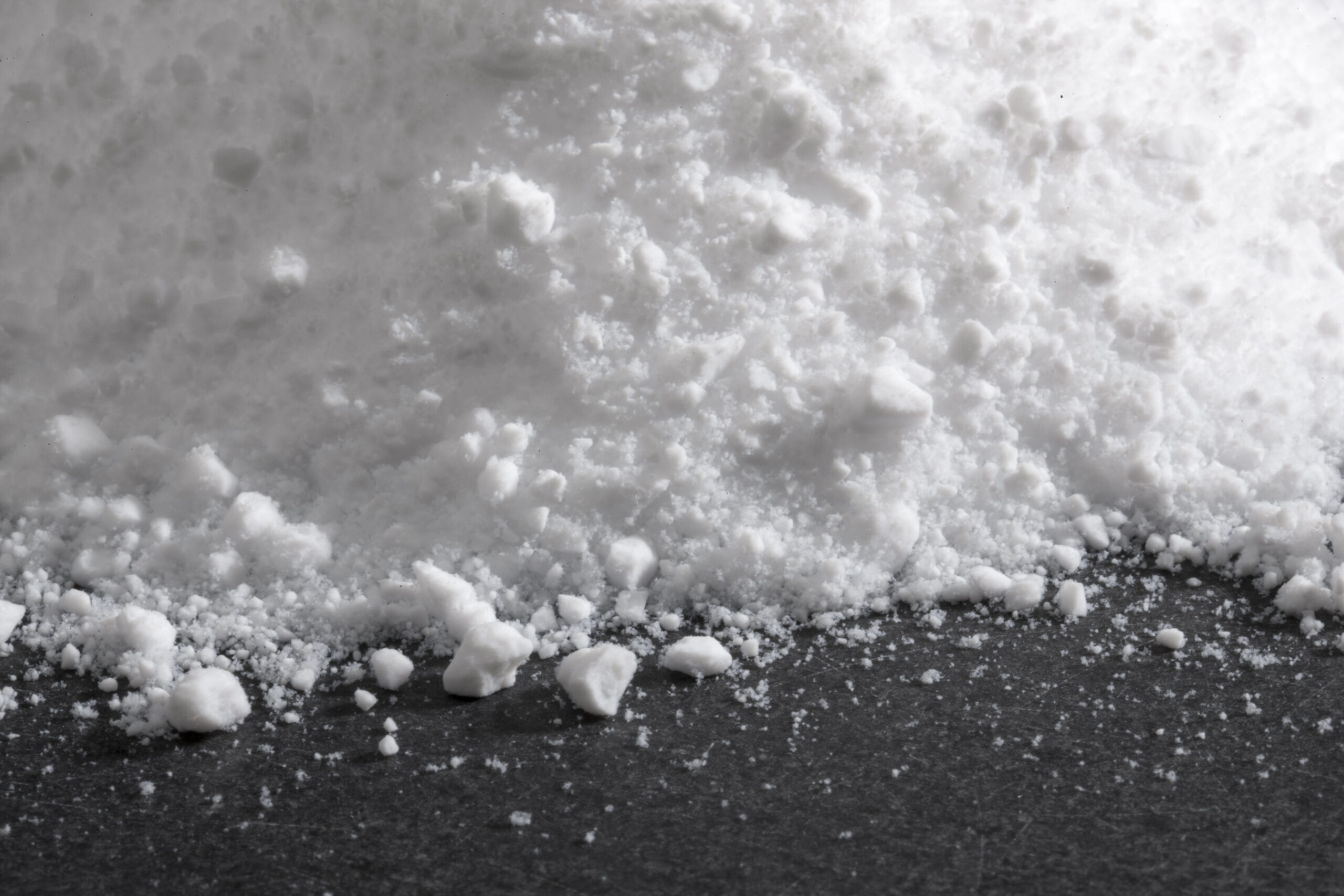
Synthetic amorphous silica (SAS) is a highly pure, crystalline-free material that plays a foundational role in modern products and industrial systems. For more than 80 years, it has enabled performance, safety, and reliability across sectors that are essential to everyday life and to Europe’s industrial strength.
SAS is a functional material: it enhances how products work, how long they last, and how safely they perform.

A champion in countless applications
SAS stands out because of the range of functions it delivers within a single material.
Depending on the application, SAS can reinforce, stabilise, thicken, absorb, protect, or improve durability, often performing several of these roles at once. This multifunctionality is not easily replicated. There is no direct, one-size-fits-all alternative that can replace SAS across its applications. As a result, SAS is essential across:
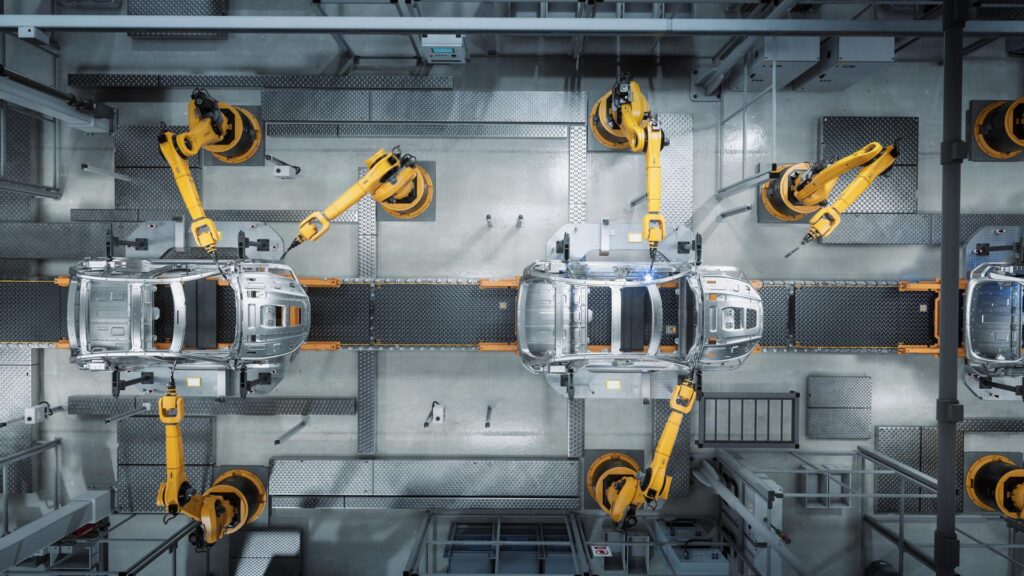
Advanced manufacturing
including automotive components, elastomers, electronics, and high-performance adhesives.
Strategic and critical sectors
such as batteries, renewable energy technologies, defence applications, paints, coatings, and construction materials.

Consumer and life-science applications
including cosmetics, pharmaceuticals, food, feed, and household goods.
A strategic asset for the European economy
SAS is closely linked to Europe’s industrial, environmental, and strategic objectives.
Europe accounts for around 20% of global SAS production and is a net exporter, with European producers leading in high-end technical grades. The sector supports over 10,000 direct jobs and underpins downstream industries with an estimated annual added value exceeding €300 billion.
SAS contributes to:
Strategic autonomy

by supporting critical EU value chains.
Decarbonisation

by enabling energy-efficient technologies and materials.
Industrial competitiveness
through innovation and advanced manufacturing.
Delivering performance, safety, and sustainability
The value of SAS is measured in outcomes.
- In green tyres, it helps reduce energy consumption and CO₂ emissions while improving braking performance and road safety.
- In medical-grade silicone, it provides the mechanical strength and durability required for reliable use in healthcare.
- In energy storage, insulation, and construction, it contributes to efficiency, durability, and longer service life.
By improving material performance and longevity, SAS supports resource efficiency, lower lifecycle emissions, and more resilient products.
Proven, science-based, and indispensable
SAS is one of the most extensively studied synthetic materials in commercial use. Its properties, applications, and safe use are well understood and supported by decades of scientific research and industrial experience.
ASASP and its members engage with scientists, downstream users, and policymakers to ensure that regulatory decisions affecting SAS are science-based, proportionate, and aligned with its essential role in European society and industry.
About ASASP
ASASP represents Europe’s synthetic amorphous silica producers and serves as a platform for constructive dialogue across the value chain.
The association works with scientists, downstream users, and policymakers to support science-based, proportionate decision-making and ensure the continued availability of SAS for critical European applications.
Uses & Benefits of Silica
SAS has been safely used in a wide variety of industrial and consumer applications